
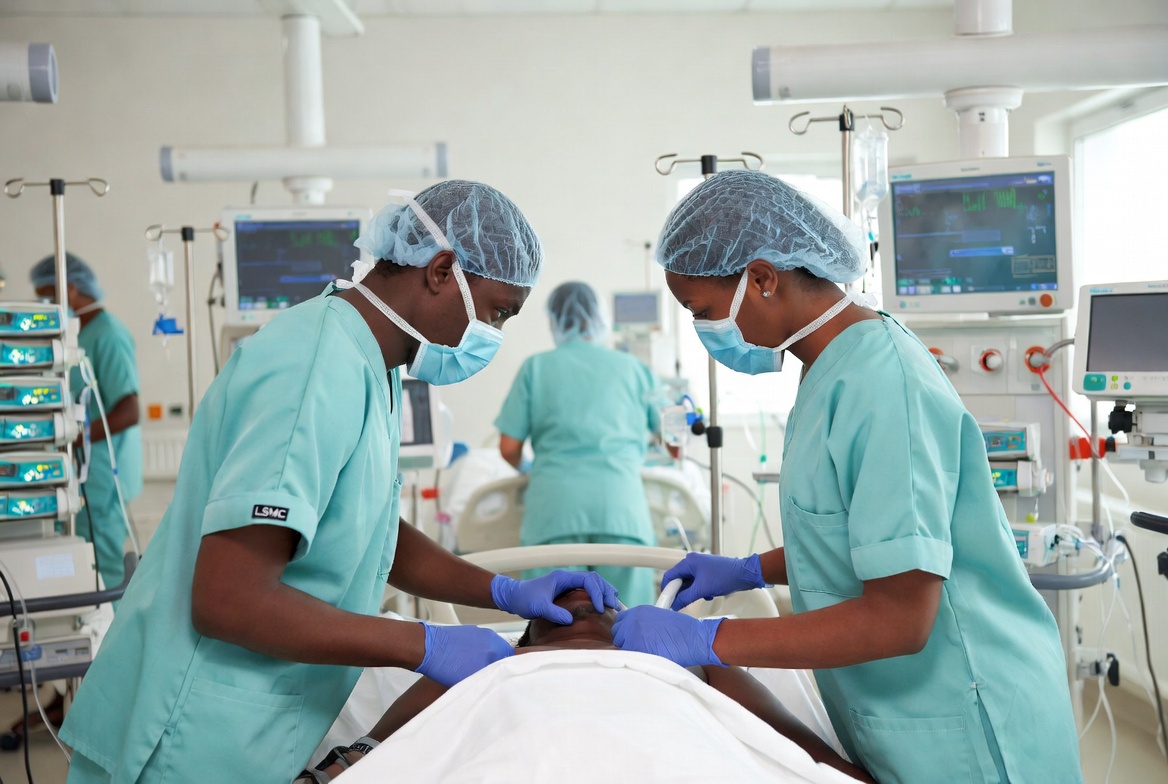
When Should You Visit the Emergency Room?
When your body gives early warning signs, ignoring them can turn a small issue into a life-threatening condition—especially when it comes to your kidneys, heart, or blood pressure. As a doctor, I’ve seen patients walk into the emergency room just in time… and others who waited too long.
Understanding when to go to the emergency room (ER) can save your life or the life of someone you care about.
If you ever feel unsure, it’s safer to go. Delaying care is one of the leading causes of preventable kidney failure and serious health complications.
At Life Support Medical Centre, we provide 24/7 emergency care, rapid response dialysis, and immediate medical attention for critical conditions.
Why Immediate Care Matters for Your Kidneys and Overall Health
The kidneys are silent workers. They rarely show clear symptoms until the damage is serious. Many patients only discover kidney issues during an emergency—something early treatment could have prevented.
Emergency rooms are designed to detect hidden conditions quickly using:
-
Rapid diagnostic tests
-
Kidney function assessments
-
Blood pressure and blood sugar monitoring
-
Emergency dialysis (when needed)
These early interventions protect your organs before permanent damage occurs.

Signs You Should Go to the Emergency Room Immediately
Below are symptoms you should never ignore. They often signal serious conditions like kidney failure, heart disease, infections, and uncontrolled diabetes.
Difficulty Breathing or Sudden Shortness of Breath
Difficulty breathing can signal:
-
Fluid buildup due to kidney failure
-
Heart complications
-
Severe infections
-
Dangerous blood pressure spikes
If breathing suddenly becomes difficult, don’t wait.
Severe or Persistent Chest Pain
Chest discomfort, tightness, or pressure can be a sign of:
-
Heart attack
-
Hypertensive crisis
-
Pulmonary issues
Call emergency services immediately.
Very High Blood Pressure (Especially Above 180/120)
This is one of the top silent causes of kidney failure.
Seek emergency care if blood pressure stays very high with:
-
Headache
-
Blurred vision
-
Nausea
-
Chest pain
Swelling in the Legs, Face, or Around the Eyes
Fluid retention often means the kidneys are struggling to remove waste.
If swelling appears suddenly or worsens quickly, visit the ER.
Sudden Decrease or Absence of Urine
Low urine output is a red flag for acute kidney failure.
This requires immediate medical attention and possibly emergency dialysis.
Severe Abdominal, Back, or Flank Pain
Pain around the lower back or sides may indicate:
-
Kidney stones
-
Kidney infection
-
Organ inflammation
Ignoring this can lead to severe complications.
Confusion, Dizziness, or Fainting
When toxins build up due to poor kidney or liver function, the brain reacts.
Seek help immediately if someone becomes unusually confused or disoriented.
High Blood Sugar Symptoms (in Diabetic Patients)
If you have diabetes, visit the ER when experiencing:
-
Weakness
-
Vomiting
-
Fruity breath
-
Rapid heartbeat
-
Uncontrolled thirst
These may signal dangerously high blood sugar or diabetic ketoacidosis.
Hidden Kidney-Related Emergencies You May Not Notice
Kidney disease often develops slowly, but emergencies can appear suddenly. Watch for:
-
Foam in urine
-
Dark or bloody urine
-
Constant fatigue
-
Metallic taste in the mouth
-
Unexplained itching
-
Trouble sleeping
These may seem small, but they are important early signs.
When in Doubt — Come In
One simple rule I tell all patients:
If a symptom feels “new, severe, or unusual,” go to the emergency room.
It is better to check early than to face long-term organ damage.
Life Support Medical Centre offers:
-
24/7 emergency dialysis
-
Round-the-clock admission
-
Rapid kidney assessments
-
Diagnostic blood and urine tests
-
Immediate medical support from trained professionals
Healthy Habits to Prevent Emergency Visits
Here are medically proven habits to protect your kidneys and overall health:
1. Check Your Blood Pressure Weekly
High blood pressure is the #1 cause of kidney failure.
2. Drink Enough Water Daily
Hydration helps the kidneys filter toxins.
3. Limit Excess Salt and Processed Foods
Salt strains both the heart and kidneys.
4. Control Your Blood Sugar
Diabetes silently damages kidney blood vessels.
5. Get Regular Health Checkups
Early detection prevents emergency situations.
6. Do Not Ignore Pain or Unusual Symptoms
Your body speaks; respond early.
Get Help Before It Becomes an Emergency
At Life Support Medical Centre, we are always ready to help. If you notice any worrying signs or feel unsure about your symptoms:
Call: +234 909 001 3118
Visit: 7 Bello Cresent, Lagos Ilupeju, Lagos State
Book an appointment
Your health is too important to ignore. Early action saves lives—and protects your kidneys.